Potato cooking types A, B and C: how to choose
The cooking type tells you how a potato behaves once cooked — whether it holds its shape or falls apart. A practical guide to types A, B and C for retail buyers, foodservice and processors, including what to specify when ordering.
Author: AGRICO Bohemia
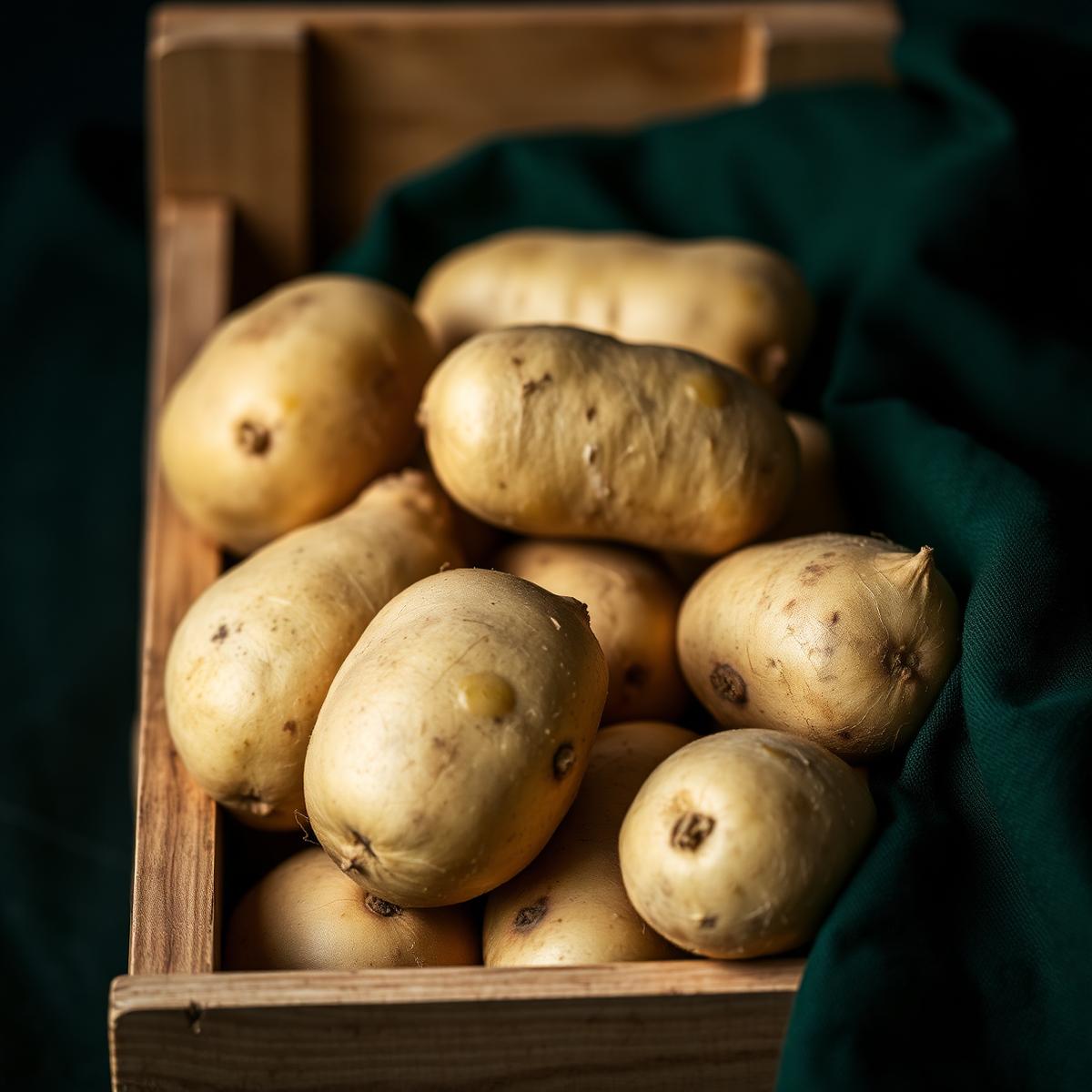
The cooking type is the most practical piece of information on a bag of potatoes. It says nothing about the variety or the tuber size, but it answers the question that decides the outcome in a kitchen or a production line: how will this potato behave once it is cooked. This is where most end-customer and foodservice complaints originate — the potato was not bad, it was simply intended for something else.
What determines the cooking type
The decisive factors are the dry matter and starch content of the tuber and how well its cell structure holds together after heating. The more starch, the more readily the tuber opens up, crumbles and absorbs fat. The less starch and the firmer the structure, the better the potato keeps its shape and tolerates further handling — slicing, mixing, transport in a gastronorm container.
Czech and wider European practice uses a scale running from firm to distinctly floury potatoes. Transitional labels such as AB, BC or CB mean the variety behaves between two types — in practice more common than a pure extreme.
Type A: salad, firm
Type A and AB potatoes have a lower starch content, stay intact after boiling and do not disintegrate. The skin usually holds, and the flesh is fine and rather moist.
- Best for: potato salads, boiled potatoes as a side, gratins and roasted slices, chilled ready meals.
- Why choose it: tubers tolerate slicing after cooking and transport without turning into mash.
- Watch out: type A is unsuitable for purée, dumplings or potato dough — there is not enough starch and the result turns gluey.
Type B: all-purpose, fairly firm
Type B and BC is the most widespread compromise. The tuber opens slightly during cooking but does not fall apart.
- Best for: boiled and roasted potatoes, soups, stews, sautéing, and any operation where a single delivery has to serve several preparation methods.
- Why choose it: it reduces the number of stocked lines. For a smaller kitchen it is often the only sensible stock.
- Watch out: being all-purpose means it is not the best in any single discipline. High-volume salad production or high-volume purée production both benefit from a specialised type.
Type C: floury
Type C and CB has a high starch content. After boiling the tuber opens and breaks down, and the flesh is drier and more powdery.
- Best for: purée, dumplings, potato dough, pancakes, thick soups, and products where the mass needs to bind.
- Why choose it: it delivers volume, body and the right dough structure without added binders.
- Watch out: type C is unusable for salad. Overboiling breaks it down completely.
Quick comparison
- A / AB — low starch, holds shape, salad and side dishes, tolerates slicing and transport.
- B / BC — medium starch, opens slightly, all-purpose, practical for a small store.
- C / CB — high starch, breaks down, purée and doughs, unsuitable for salad.
What to specify when ordering
The cooking type alone is not enough. If you buy potatoes in volume, we recommend stating the following in your enquiry:
- Cooking type — and whether a transitional type (for example B or BC) is acceptable.
- Size grade — a peeling line and a retail shelf need different calibres.
- Surface treatment — washed, brushed or unwashed.
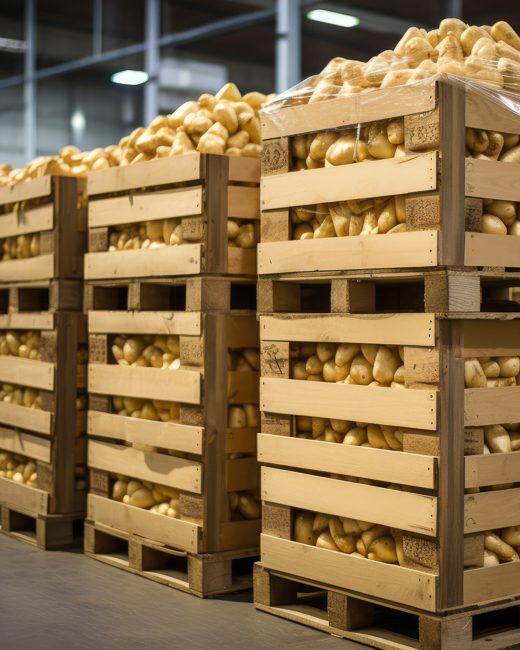
- Packaging — retail bag, big bag, crate or bulk.
- Timing and frequency — a one-off delivery is planned differently from a continuous year-round supply.
- Intended use — once we know whether it is salad production, peeling or shelf sales, we can recommend type and calibre far more precisely.
Why variety and storage still matter
The cooking type is a varietal property, but it is not set in stone. The course of the season, crop nutrition, harvest timing and storage conditions all affect dry matter content and therefore how the tuber behaves when cooked. The same variety can perform noticeably differently at the start and at the end of a storage season.
That is why cooking type is worth addressing together with storage and logistics rather than in isolation. We cover storage conditions in more detail in How to store potatoes and onions.
Frequently asked questions
Is type A always better than type C?
No. They are different tools. Type A is better for salad, type C is better for purée. "Better" only makes sense in relation to a specific use.
What do AB and BC mean?
That the variety sits between two types. AB is a firm potato leaning towards all-purpose; BC is an all-purpose potato leaning towards floury.
Can I tell the cooking type by looking at the potato?
Not reliably. Neither skin colour nor tuber shape determines the cooking type. Variety and dry matter content do.
Can one site manage with a single type?
A smaller operation usually can, typically with type B. An operation producing large volumes of both salad and purée is better served by two lines.
Why do potatoes behave differently from last year?
The season, the weather and the length of storage all play a part. For long-term supply we therefore review assortment and timing continuously.
How we can help
We regularly supply potatoes of cooking types A, B and C, washed and brushed, in a range of size grades and pack formats. Based on your intended use we will recommend a suitable combination of type, calibre and packaging.
Browse our product range, or simply send us an enquiry — the intended use and an approximate volume are enough to start.
Sources
Factual information on cooking types draws on the public materials of the Potato Research Institute in Havlíčkův Brod:
- #brambory
- #varné typy
- #nákup
Need a concrete offer?
Share the commodity, packaging, weekly volume, delivery location and timing — we will come back with a proposal.
The message is sent securely through the form to info@agricobohemia.cz — no email client will open.